8000 to 2000 BC · Neolithic Shopper
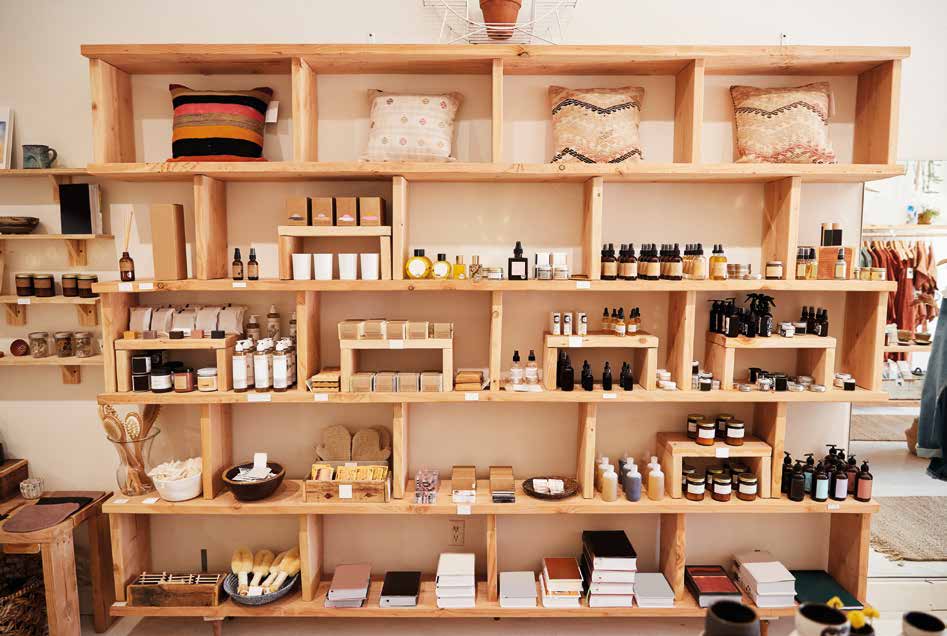
The shelf is a fundamental component of the store experience and allows retailers to display products and encourage sales, impart information and deliver promotional incentives. The type and quality of materials used in the fabrication of shelves contributes to perceptions of the retailer and the products offered for sale.
Shelves were created in ancient times out of a desire to elevate and protect valuable objects, which at the time tended to be scrolls or other types of written documents.
Advancements in printing which made the publication of books possible meant libraries needed extensive shelving for storage.
The application of shelves was readily apparent to retailers who equipped stores with horizontal surfaces to store products in back rooms and display products to customers so they could easily be retrieved by clerks.
The boom years for shelves arrived with the birth of self-service shopping in department stores in the 1800s and later in supermarkets. The new approach to retail meant shoppers needed to be able to see and touch products and shelves were the solution.
Shelving materials can consist of wood, metal, glass, plastic, stone or composite materials and come in an endless array of finishes. Shelves perform the most basic of functions within a retail environment, but the combination of materials, finishes and configurations present retailers with an infinite number of options when it comes to creatively merchandising a store.
In addition to their important contribution to merchandising, shelves play an important role in supply chain management. Different categories require specific shelving solutions which can vary widely from car batteries and cans of paint to folded shirts and delicate ceramics. Shelf design must account for the unique characteristics of each, to enable effective merchandising while providing adequate holding capacity to maintain acceptable in-stock levels based on anticipated rates of sale and the retailer's replenishment capabilities.
An amazing array of shelving is evident in the retail industry today.
Contribution to Retail History
The more products a buyer sees, the more a buyer buys. And throughout history, sellers realized this basic instinct of the retail process that they in turn would sell more products. While the shelf has evolved in terms of its material, size and configurations, and technological advancements, the fundamental purpose to maximize product assortments and sales hasn't changed. Stack it, show it, sell it is still the goal of visual merchandising and the overall store experience.
See where this object sits in the sweep of retail history →
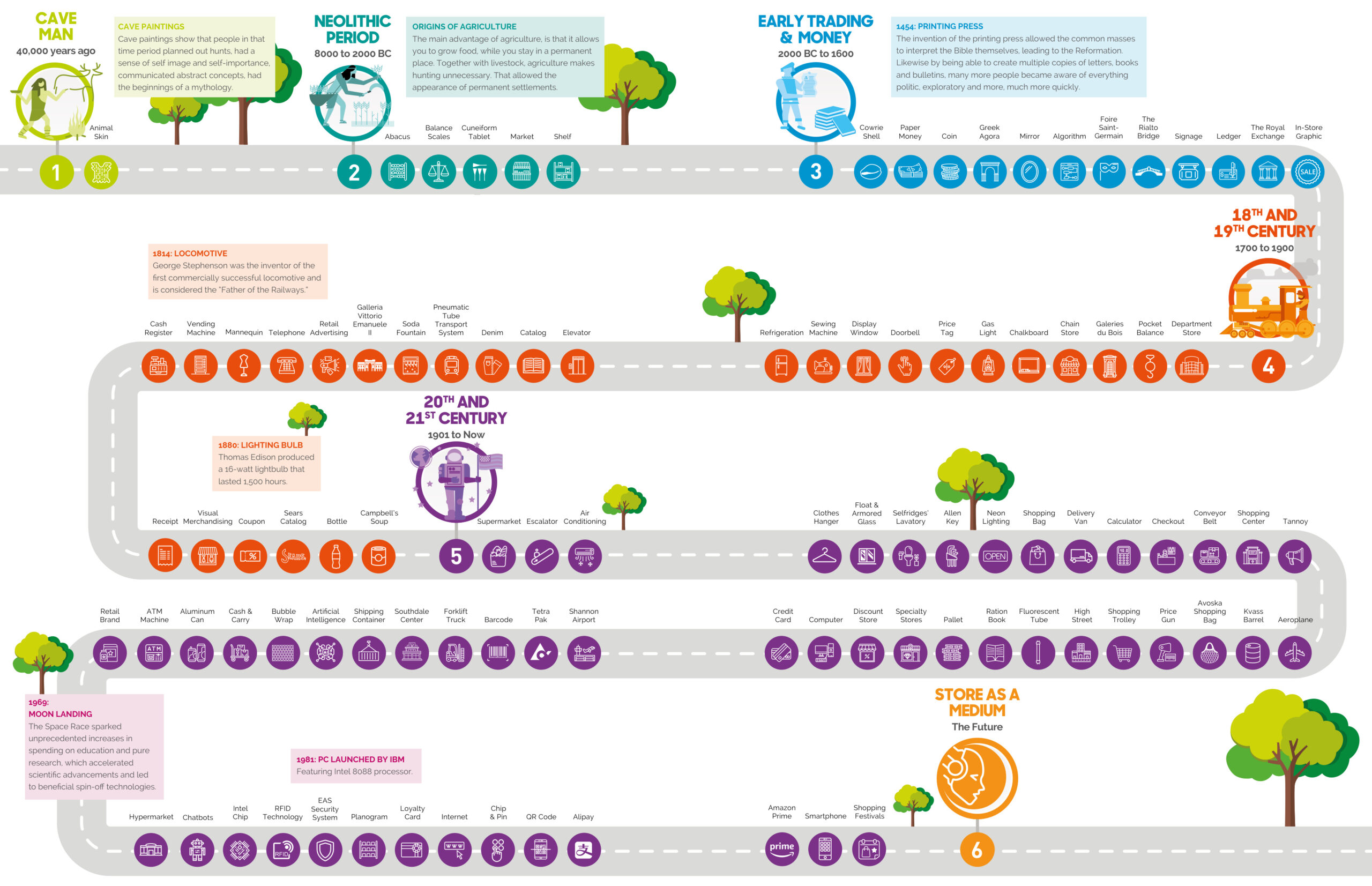
About the series. The History of Retail in 101 Objects is compiled and edited by David Roth, CEO of The Store WPP and Chairman of WPP BAV. It tells the story of retail through the objects that shaped it, from the cave to the connected store, organised across the historical periods in which each innovation made its mark. As David puts it, the history of retail is the history of mankind, and of retail’s vast contribution to society. A new object appears here every Monday.
This is the fourth edition, the World Retail Hall of Fame edition. The book, and every object published so far →