The History of Retail in 101 Objects

History of Retail in 101 Objects – Object 2: Abacus

Abacus - The History of Retail in 101 Objects

8000 to 2000 BC · Neolithic Shopper

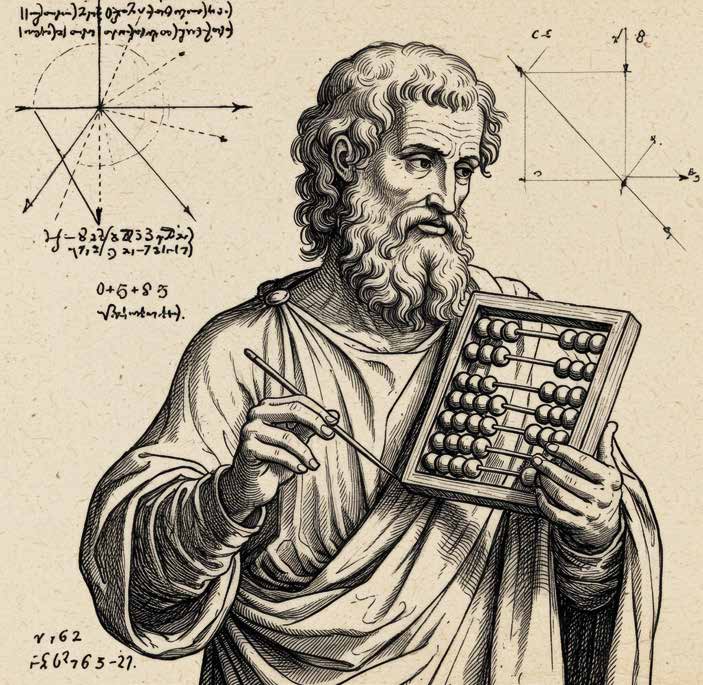
Traders have always needed counting boards of some kind. The earliest versions, which predated the abacus, would have been used by traders at markets. Traders drew lines in the sand with their fingers or a stylus of some kind. They would then place pebbles between those lines to represent numbers.

The Abacus – or counting frame – evolved from ancient times, through to the Middle Ages and Modern Times. In 500 BC the early counting boards included The Salamis Tablet, the Roman Calculi and the hand-abacus. The Roman hand abacus was often made from stone and metal.

In the Middle Ages came the Apices, the coin-board, and the line-board, which date from 5 AD to around 1400 AD.

Most were made from wood, and originally the beads on which you counted ran vertically. By the time the system had evolved to line-boards, the columns ran horizontally.

From 1200 AD the abacus evolved into the Chinese suan-pan, the Japanese soroban, and the Russian schoty. The classic Chinese abacus is the one we are most familiar with. It has two beads on the upper deck and five on the lower deck, and is often called the ‘2/5’ abacus. From about 1850 this was replaced with the ‘1/5’ abacus, with one bead on the top deck and five beads on the bottom deck.

The Chinese abacus was further adapted by Lee Kai-Chen, and by 1958 the ‘new’ abacus could be found in use, complete with an instruction book. It has more decks top and bottom combining the ‘1/4’ soroban model and the ‘2/5’ suan-pan style. Kai-Chen said it was a “Revolution of Chinese Calculators”.


Contribution to Retail History

The abacus, or beads on a board, provided an easier and more sophisticated retail transaction methodology and was actually the bridge from pebbles, twigs and lines in the sand to the first calculator. The abacus simplified the mathematical process for merchants and traders and was used for about 3,600 years until the first mechanical calculator appeared in 1642.

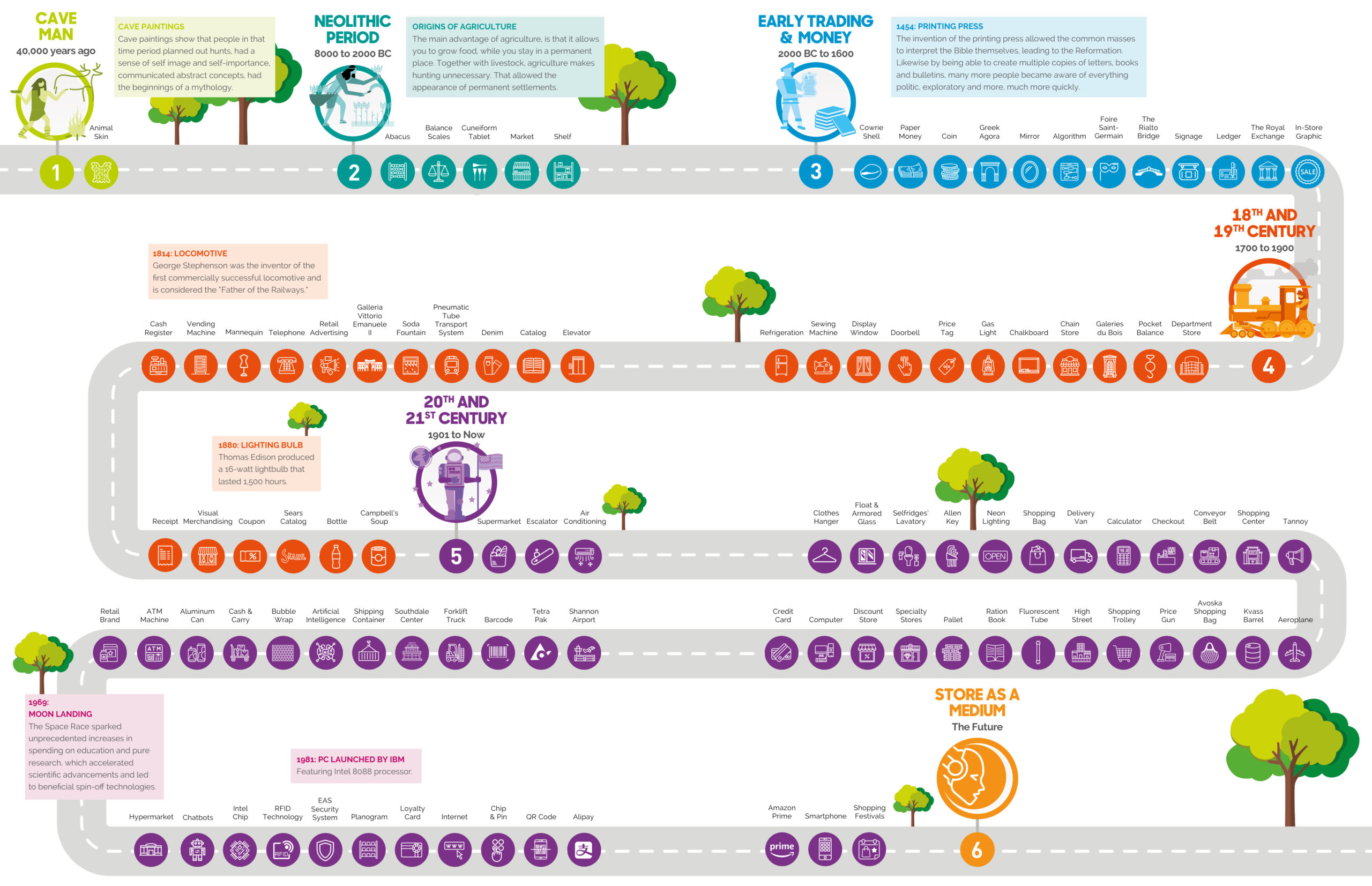
See where this object sits in the sweep of retail history →


About the series. The History of Retail in 101 Objects is compiled and edited by David Roth, CEO of The Store WPP and Chairman of WPP BAV. It tells the story of retail through the objects that shaped it, from the cave to the connected store, organised across the historical periods in which each innovation made its mark. As David puts it, the history of retail is the history of mankind, and of retail’s vast contribution to society. A new object appears here every Monday.

This is the fourth edition, the World Retail Hall of Fame edition. The book, and every object published so far →
History of Retail in 101 Objects – Object 1: Animal Skin

Animal Skin - The History of Retail in 101 Objects

Pre-History 40,000 Years Ago

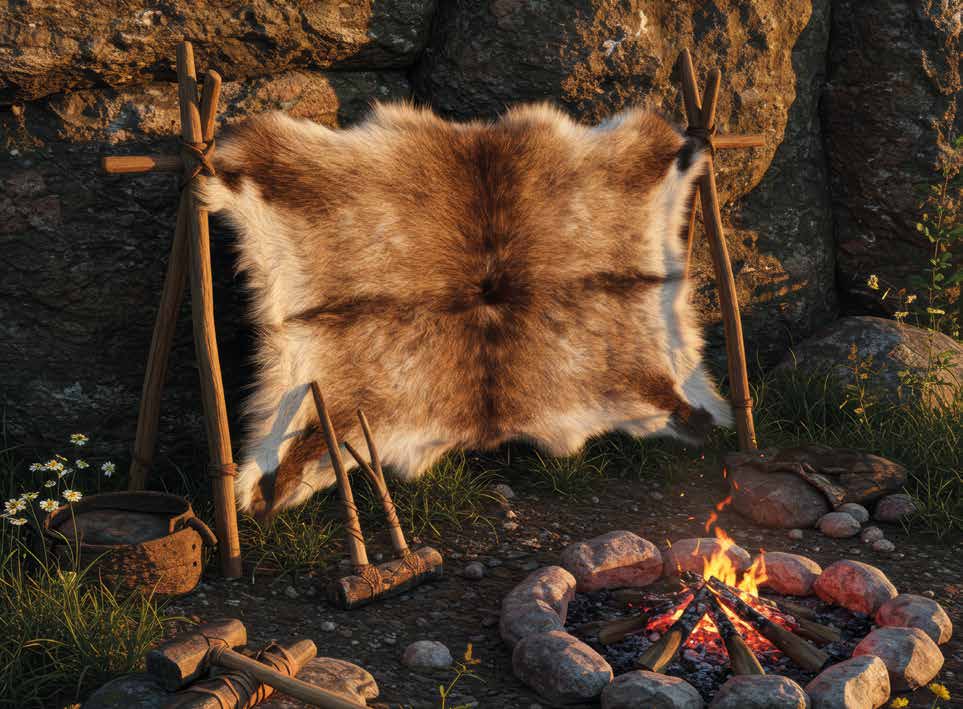
Animal skins are used to create a wide range of consumer products today, but in earlier times they played a more vital role in the facilitation of commerce. Animal skins created great wealth and fuelled the development and growth of one of the world's greatest retailers and most recognizable luxury brands.

Mankind has made extensive use of animal skins throughout history for all manner of clothing and shelter and to create a wide range of products. Animal skins were essential for much of man's existence and very survival which in turn made them extremely valuable to early peoples. Animal skins often served as a form of crude currency that could be exchanged for other goods. In some cases, animal skins such as deer hide were refined into a type of currency that preceded the development of paper money.

Over time, the utility of animal skins as a form of currency waned, but they gained greater relevance to society as symbols of wealth and status and a raw material for mass-produced consumer goods. New processes and manufacturing techniques allowed animal skins to be transformed into a wide range of consumer products prized for their durability, texture and versatility. Animal skins also fueled the development of global luxury brands for which manufacturers were able to command premium prices.

Animal skins long ago ceased playing a role as an instrument of trade or currency, but they remain highly prized throughout the world – so much so that extreme measures are now taken to protect select species threatened with extinction.

Advancements in the development of synthetic animal hides have made them indistinguishable from the real thing and a viable alternative in many cases.


Contribution to Retail History

As an early form of crude currency, animal skins were vital to man's existence and evolved to become a status symbol as well as a raw material for various goods. The harvesting of animal skins, also known as the fur trade, became a lucrative business across continents and also led to the formation of the Hudson's Bay Company in 1670. By the mid-19th century, Hudson's Bay, which controlled fur trading for centuries, amassed vast wealth and transitioned into retail business eventually becoming one of the largest and most influential retail business.

See where this object sits in the sweep of retail history →


About the series. The History of Retail in 101 Objects is compiled and edited by David Roth, CEO of The Store WPP and Chairman of WPP BAV. It tells the story of retail through the objects that shaped it, from the cave to the connected store, organised across the historical periods in which each innovation made its mark. As David puts it, the history of retail is the history of mankind, and of retail’s vast contribution to society. A new object appears here every Monday.

This is the fourth edition, the World Retail Hall of Fame edition. The book, and every object published so far →